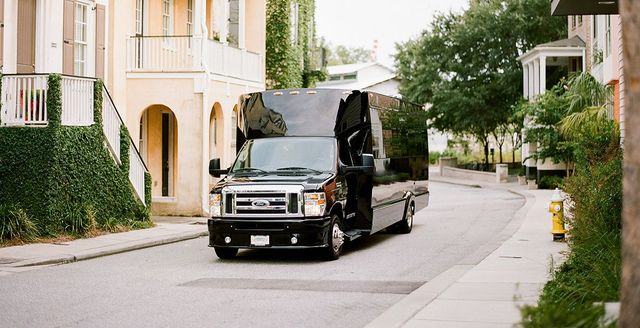
Managing transportation for groups often feels complex, as timing, comfort, and logistics must align smoothly. For corporate, personal, or celebratory events, transportation plays a key role in shaping impressions from start to finish. Thoughtful planning minimizes tension, maintains punctuality, and fosters a relaxed experience for participants. Transporting attendees involves more than logistics; it ensures smooth transitions and professionalism. Efficient coordination allows attendees to concentrate on the event instead of travel issues. Careful organization turns transportation into a natural, effortless component of the celebration.
Lowcountry Valet understands how critical details influence successful event logistics. Experience with group travel demonstrates that advance planning, clear communication, and adaptability are vital for seamless execution. Although complex planning is required, attendees should perceive transportation as easy and smooth. Foreseeing guest requirements ensures the timetable stays on track and satisfaction is maximized. When transportation is handled properly, it enhances the event’s tone and elevates the overall atmosphere. These tips guide hosts in orchestrating efficient, enjoyable events that guests remember.
Defining the Scope for Group Travel
Effectively handling group travel begins with knowing all aspects of the event. Identify the guest count, event style, and complete agenda. Different events have different transportation needs, and clarity at this stage helps prevent complications later. Guest expectations, arrival times, and departure windows all play an important role in shaping the plan. Clarifying these details ensures transportation enhances the overall experience. Documenting the full picture establishes a foundation for seamless logistics.
It is equally important to consider the type of experience guests should have during transit. The journey helps build excitement and establishes the expected level of formality. Knowing the tone—sophisticated or casual—guides vehicle choices and timing. Size is one factor, but timing, stops, and itineraries also impact planning. Taking time to map out every movement ensures no segment of the group feels overlooked. Such attention guarantees travel supports the event’s mood and flow.
Creating a Detailed Transportation Timeline
A structured schedule ensures travel remains organized. Creating precise transport windows balances consistency with adaptability. Transport timing should correspond to the event plan and travel needs. Coordinated travel minimizes wait times and keeps the event on track. Including extra time in the schedule eases tension and handles contingencies. A thoughtful timeline keeps the entire group moving together without feeling rushed.
Clear communication is key to implementing a timeline successfully. Guests and coordinators must be informed of travel details and schedules. Transparency avoids misunderstandings and missed transfers. Timely communication ensures guests feel confident and prepared. Timelines also support drivers and coordinators by providing a shared framework for execution. Shared clarity makes coordination effortless.
Selecting the Right Vehicles for Group Needs
Vehicle choice significantly impacts the smoothness of group logistics. Consideration of passengers, trip length, and comfort needs informs vehicle choice. Spacious interiors ensure a relaxed journey for everyone. Interior features also contribute to the overall experience, especially during longer rides. Choosing transport in line with the event’s style maintains a cohesive look. Correct choices improve the flow and enjoyment of the event.
Beyond capacity and comfort, accessibility and ease of entry should be considered. Guests may have different requirements, which must be anticipated. Transport that facilitates quick, safe boarding maintains timeliness and comfort. Uniform vehicle style reinforces professionalism. When the transportation fleet feels unified, it adds to the overall polish of the experience. Careful planning of logistics shows dedication to attendees.
Managing Skilled Chauffeurs and Event Assistance
Skilled chauffeurs are essential for managing flawless group transportation. Their expertise helps them foresee potential issues and respond efficiently. Clear coordination ensures that chauffeurs understand the event schedule and guest expectations. Lowcountry Valet combines meticulous preparation with professional driving to keep operations smooth. Driver expertise enhances timeliness, security, and passenger experience. Well-managed coordination instills trust among organizers and guests.
Back-end coordination helps maintain smooth transportation. Ongoing communication between coordinators and chauffeurs allows adjustments to be made in real time. Being flexible allows the schedule to stay intact despite unexpected shifts. Knowledgeable chauffeurs deliver calm and dependable service. The combination of preparation and adaptability ensures transportation remains reliable. This approach minimizes disruptions and supports a positive guest experience.
Ensuring Clear Communication with Guests
Effective messaging to guests ensures transportation success. Offering clear guidance ensures attendees understand timing and locations. When details are shared in advance, guests arrive prepared and confident. Consistent messaging reduces questions and prevents misunderstandings. Information should be clear and complete, including arrival times and locations. Well-informed guests contribute to smoother logistics overall.
Reinforcing information as the event approaches can further improve coordination. Notifications keep all attendees on schedule. This proactive approach demonstrates organization and attention to detail. Participants respond positively to clear instructions for coordinated travel. Transparent instructions encourage teamwork and smooth execution. Guided participants allow logistics to function seamlessly.
Planning for Flexibility and Unexpected Changes
No matter how precise the planning, events may face surprises. Incorporating adaptability ensures travel remains smooth despite changes. Including buffer periods mitigates delays and reduces tension. Foreseeing problems allows organizers to act with ease. Adaptable planning maintains reliable travel under varying circumstances. This adaptability is a hallmark of well-managed event logistics.
Planning ahead requires protocols for unforeseen circumstances. When everyone involved knows how adjustments will be communicated, confusion is minimized. A flexible plan supports continuity and keeps guests comfortable. Group travel should appear seamless regardless of adjustments. This resilience enhances the event’s professionalism. Smooth operations increase guest satisfaction.
Maximizing the Impact of Transportation on Events
How attendees travel greatly influences the event experience. Comfortable, timely transit establishes the right mood for the celebration. Comfort, punctuality, and professionalism all contribute to guest satisfaction. Transportation should feel like an extension of the event rather than a separate component. When logistics align seamlessly with the event’s goals, guests notice the difference. Careful coordination enhances every aspect of the event.
At the conclusion, group travel contributes to a memorable ending. Smooth send-offs leave a favorable final impression. Lowcountry Valet approaches this phase with the same level of care as arrivals, ensuring consistency from start to finish. Guests appreciate a smooth transition as the more info event comes to a close. Careful coordination underscores the importance of professional travel management. Properly handled departures leave guests with a lasting positive impression.